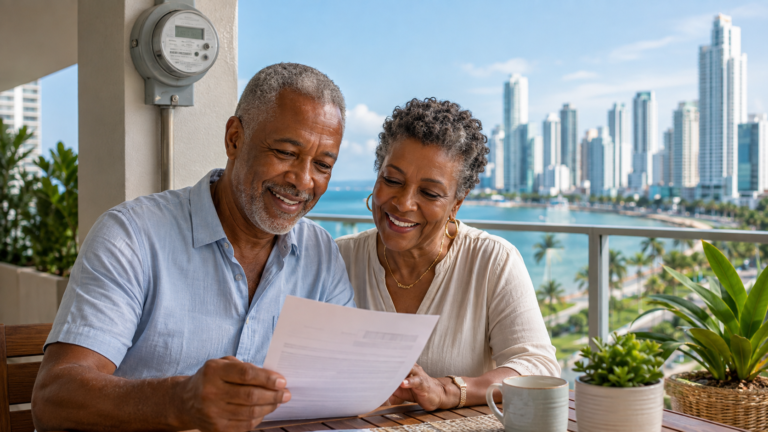
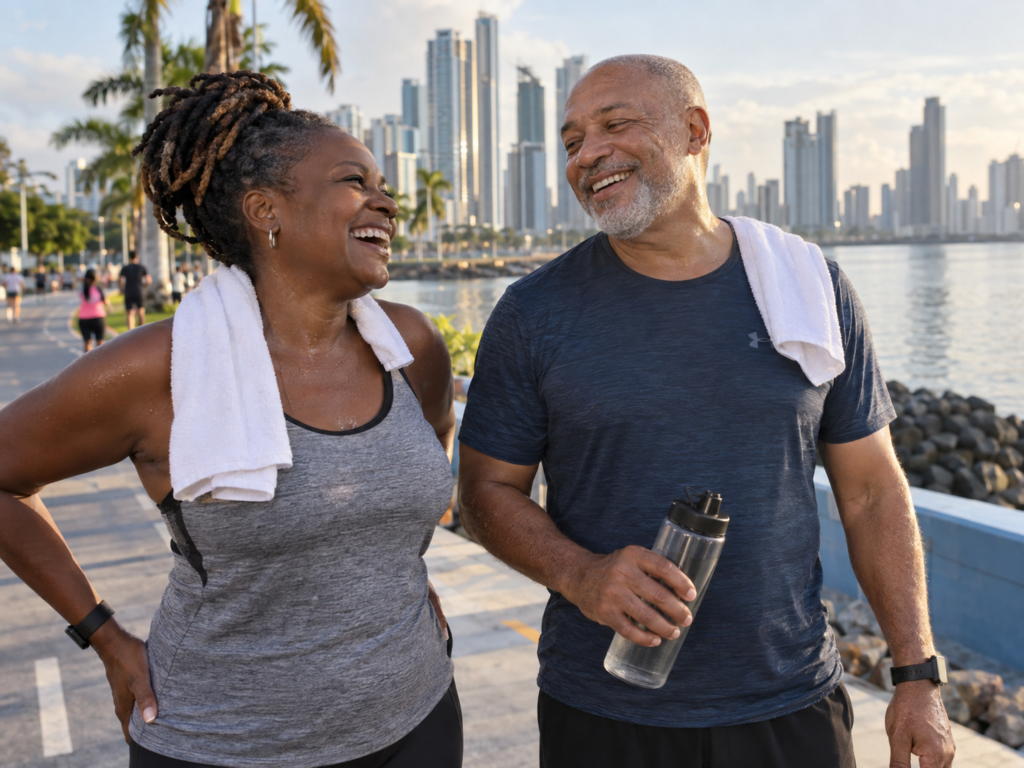
Moving to Panama means adjusting to a tropical climate—and Panama heat can take some getting used to, especially if you’re coming from a cooler or less humid environment.
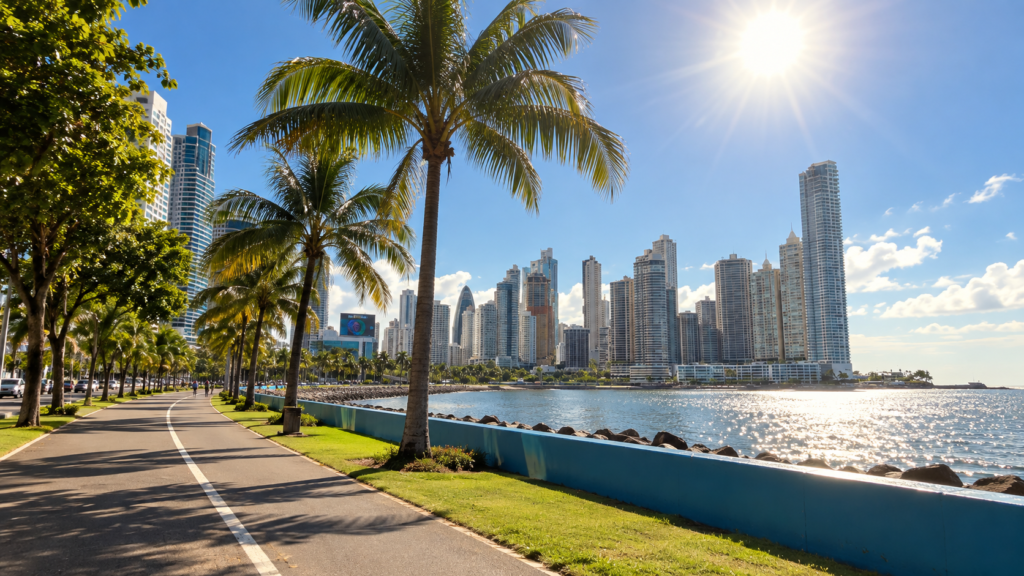
Recent health recommendations from Panama’s Ministry of Health (MINSA) have reminded residents to take precautions during periods of high temperatures. For expats, retirees, and newcomers, it’s a good reminder that adapting to life in Panama isn’t only about getting used to the rain. Heat and humidity are part of everyday life, too.
Why Can Panama Heat Feel So Intense?
The temperature on your weather app doesn’t always tell the whole story.
High humidity can make it more difficult for sweat to evaporate efficiently, which can make the body feel hotter than the actual air temperature suggests.
Direct sun exposure can add to that discomfort, particularly around midday and during outdoor activities.
This is why a day that doesn’t appear exceptionally hot on paper may still feel very different when you’re walking around Panama.
Give Your Body Time to Adjust
If you’ve recently moved to Panama—or you’re here for an extended visit—don’t assume you’ll immediately be comfortable with the tropical climate.
Your body may need time to acclimate.
During your first weeks, consider keeping long outdoor walks, exercise, errands, and neighborhood exploration to cooler parts of the day when possible.
This can be particularly important for older adults and people with certain health conditions or medications that may affect how the body responds to heat.
Hydration Matters More Than You Think
In a hot and humid climate, you can lose fluids without immediately realizing how much you’re sweating.
Make drinking water part of your daily routine rather than waiting until you’re extremely thirsty.
If you’re spending significant time outdoors, exercising, or sweating heavily, your hydration needs may increase.
Plan Outdoor Activities Around the Heat
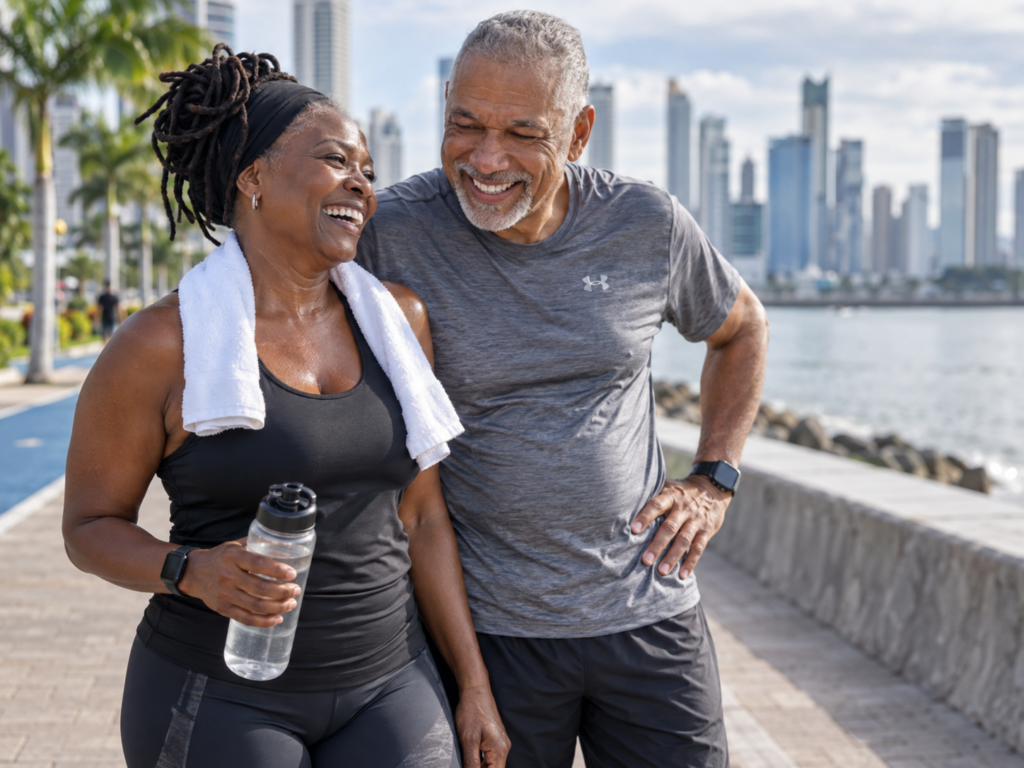
You don’t have to stay indoors to live comfortably in Panama. A little planning can make a big difference.
Consider:
- Scheduling longer walks and outdoor exercise earlier or later in the day.
- Carrying water when you’re exploring neighborhoods or running errands.
- Wearing lightweight, breathable clothing.
- Using sunscreen and seeking shade when possible.
- Taking breaks in air-conditioned or shaded areas.
- Keeping water available in your car or bag.
- Paying attention to how you feel rather than simply pushing through the heat.
Know the Warning Signs
Heat-related illness can begin with symptoms such as heavy sweating, weakness, dizziness, headache, nausea, muscle cramps, or unusual fatigue.
More serious symptoms—including confusion, fainting, or changes in consciousness—require urgent attention.
If someone appears to be experiencing a severe heat-related illness, move them to a cooler environment while seeking appropriate emergency medical assistance.
A Home’s Cooling Matters Too
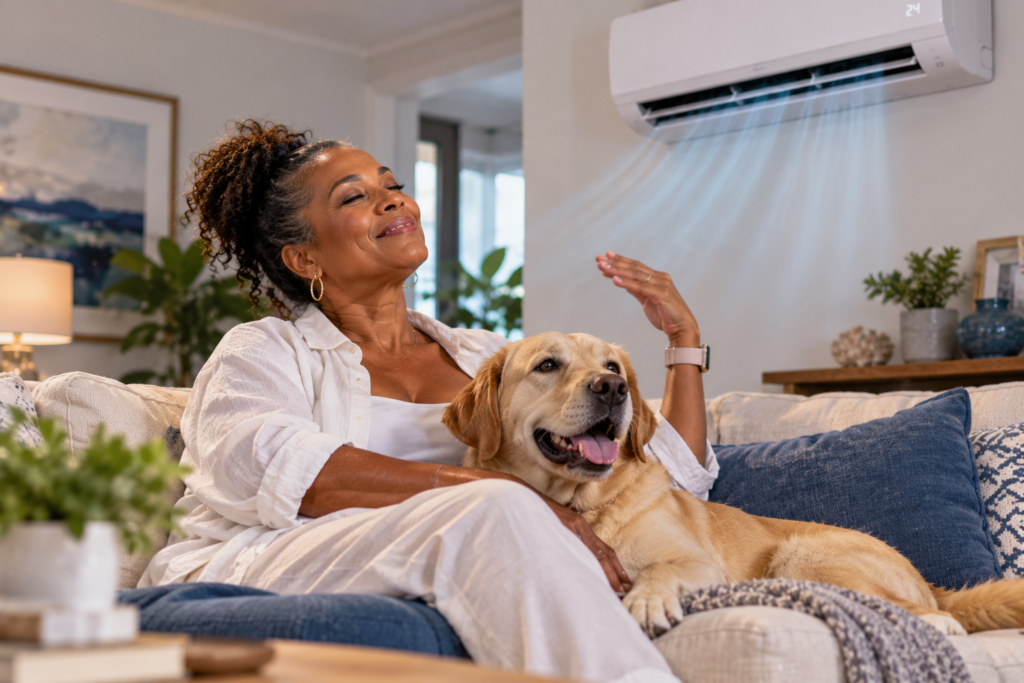
For anyone searching for a home in Panama, climate comfort is worth considering alongside bedrooms, views, and amenities.
During a property visit, pay attention to:
- Air-conditioning systems and their condition
- Natural ventilation
- Direct afternoon sun exposure
- Window size and orientation
- Balcony exposure
- Ceiling fans
- Shaded areas
- Electricity consumption associated with cooling
Two apartments in the same neighborhood can feel surprisingly different depending on their orientation, ventilation, and exposure to direct sunlight.
That can also affect how frequently you use air conditioning—and ultimately your electricity consumption.
Living in Panama Means Learning the Climate
Panama’s tropical weather is part of what makes the country attractive, but newcomers sometimes underestimate how much their daily routine may change because of heat and humidity.
You don’t need to fear the Panama heat. You simply need to plan for it.
Stay hydrated, give yourself time to acclimate, and pay attention to what your body is telling you.
One Diversity shares practical information to help our community feel more prepared for everyday life in Panama.
Sources
Ministerio de Salud de Panamá (MINSA)
https://www.minsa.gob.pa/
Centers for Disease Control and Prevention (CDC) — Heat and Health
https://www.cdc.gov/heat-health/
Health information is provided for general educational purposes and is not a substitute for individual medical advice.